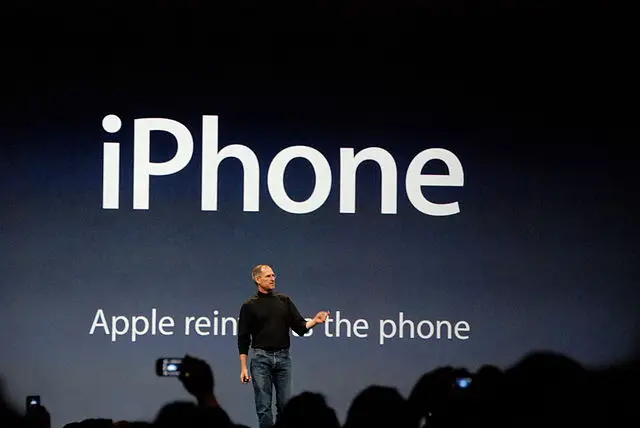
Steve Jobs’ comeback to Apple wasn’t just a return — it was a revolution. After being ousted from the very company he co-founded, Jobs came back in 1997 not with bitterness, but with a bold vision that would pull Apple back from the brink of bankruptcy and turn it into one of the most valuable companies in the world. This is the story of resilience, redemption, and a boardroom twist that changed the course of tech history.
In the late 1990s, Apple was on the brink of bankruptcy. Its products were uninspired, its leadership shaky, and its brand nearly forgotten. Enter Steve Jobs — the ousted founder who returned in 1997 and transformed Apple into one of the most valuable companies in the world.
In this post, we’ll explore the timeline of Jobs’ return, his bold decisions, and the leadership lessons that define one of the greatest comebacks in business history.
Before the Comeback — Why Steve Jobs Was Fired
Steve Jobs co-founded Apple in 1976 with Steve Wozniak and Ronald Wayne. By 1985, internal tensions at Apple’s boardroom led to Jobs being forced out of the company he helped build.
After his departure, Jobs founded NeXT, a computer platform company, and later acquired Pixar, transforming it into a creative animation powerhouse.
Apple in Crisis — The 1990s Decline
Without Jobs, Apple spiraled into stagnation. Competitors like Microsoft surged ahead, while Apple’s market share shrank. By 1997, Apple was 90 days from running out of cash.
Some of its products — like the Newton PDA and Macintosh Performa — failed to gain traction. The once-beloved brand became a fading star.
Steve Jobs Returns — The $429 Million NeXT Deal
In 1997, Apple bought NeXT for $429 million — not just for its software, but to bring Jobs back into the fold.
Soon after, Jobs became interim CEO (“iCEO”) and began radically reshaping Apple’s strategy.
Bold Moves That Changed Everything
Jobs took immediate action:
- Cancelled 70% of Apple’s bloated product line.
- Secured a controversial $150 million investment from Microsoft.
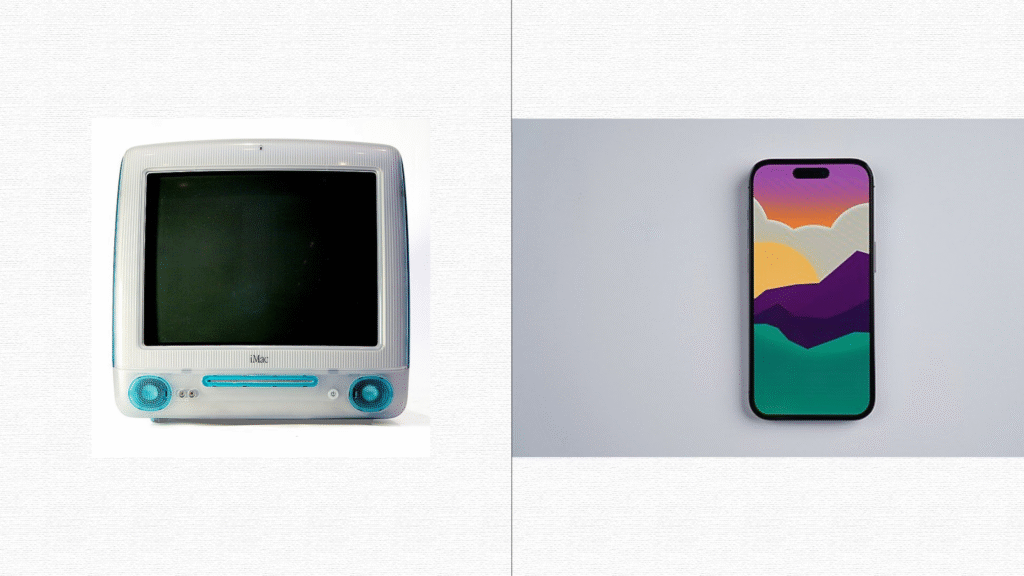
- Launched the iMac in 1998 — a product that revived the Apple brand.
- Brought in design legend Jony Ive to reimagine product aesthetics.
Jobs made tough decisions, laid off staff, and focused on simplicity, focus, and innovation — values that would become core to Apple’s identity.
From Survival to Superstardom — The iRevolution Begins
Jobs didn’t just want to fix Apple. He wanted to make it iconic again.
- 2001: iPod — revolutionized digital music.
- 2007: iPhone — redefined smartphones.
- 2010: iPad — created a new category altogether.
These launches were not just products; they were cultural phenomena.
Under Jobs, Apple’s market cap grew from under $5 billion in 1997 to over $300 billion by 2011.
Steve Jobs’ Legacy as a Visionary Leader
Jobs wasn’t just a product genius — he was a master storyteller, marketer, and brand visionary.
Key leadership takeaways:
- Focus on user experience above all
- Cut what doesn’t serve the mission
- Blend art with engineering
- Obsess over details
He passed away in 2011, but his influence continues to define Apple and inspire entrepreneurs worldwide.
Final Thoughts — What You Can Learn From Steve Jobs’ Comeback
Steve Jobs’ return to Apple teaches us that second chances can change everything — if you’re willing to be bold, focused, and visionary.
Whether you’re a startup founder, a CEO, or just a dreamer — Jobs’ story proves it’s never too late to return, rebuild, and redefine your legacy.
Related Reads
👉 The Rise and Fall of Nokia: What Really Killed the Mobile Giant